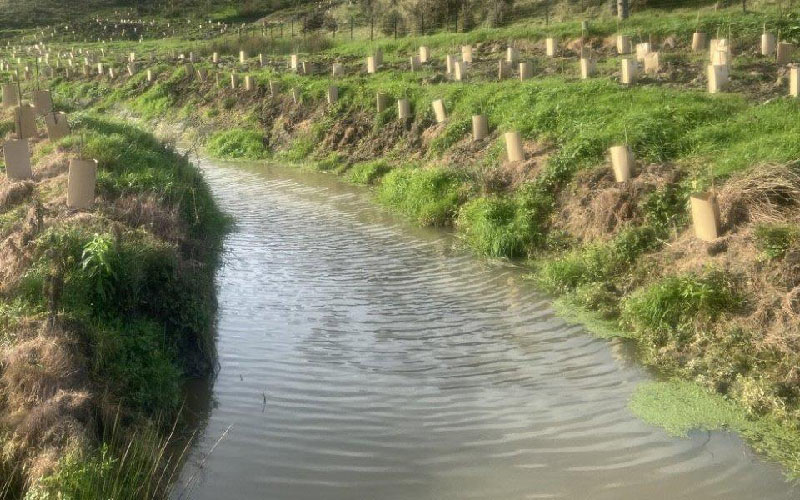
Looking after our waterways is something we can all help with and be a part of. The Catchment Care programme works alongside landowners and rural communities to improve water quality across Marlborough, through practical, on the ground actions that make a real difference.
This is a voluntary, non-regulatory programme, focused on working together to get the best outcome. By combining local knowledge with expert advice and support, Catchment Care helps identify the most effective ways to protect and enhance our rivers, streams, and ecosystems.
Why get involved?
Healthy waterways benefit everyone, from thriving ecosystems to more resilient land and sustainable farming systems. By participating in Catchment Care, you can access advice, support and potential funding to improve your land and waterways, be part of a collaborative community effort to protect Marlborough’s environment and help future-proof your property and farming systems against erosion and water quality challenges.
The Catchment Care programme takes a whole catchment approach, focusing on actions that will have the greatest impact on water quality.
Key objectives of Catchment Care include:
- Establishing collaborative working relationships to support rural communities
- Supporting sustainable land management through education, advice and practical assistance
- Improving water quality and enhancing ecological resilience across Marlborough
- Encouraging land management practices that maintain soil quality and reduce erosion and sediment production.
The programme aligns with the Marlborough Environment Plan (MEP) which prioritises improving water quality in catchments identified as ‘degraded’ or ‘at risk of degradation’.
Each year, the
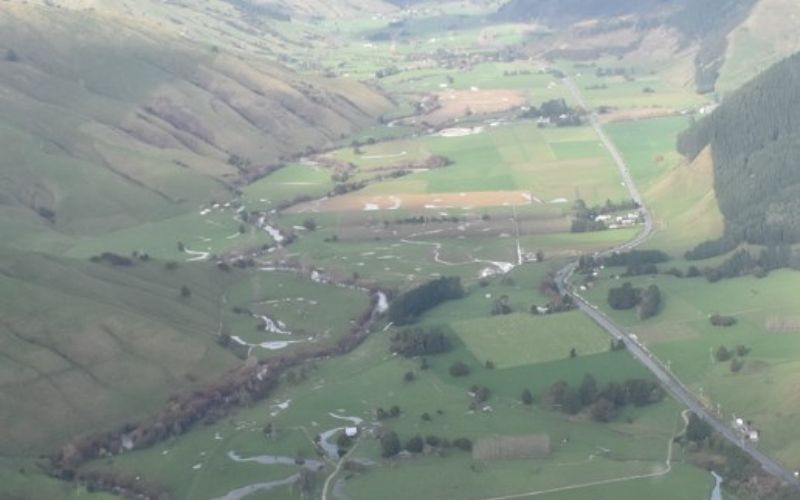
Catchment Care team will focus effort on one priority catchment. The current
focus catchment is Wairau Valley Springs.
Go to Wairau Valley Springs
If you want to learn more about how catchments have been assessed or check the water quality results for your catchment, state of the environment monitoring section.
Go to the State of the Environment Reporting page