

Wasps
Description
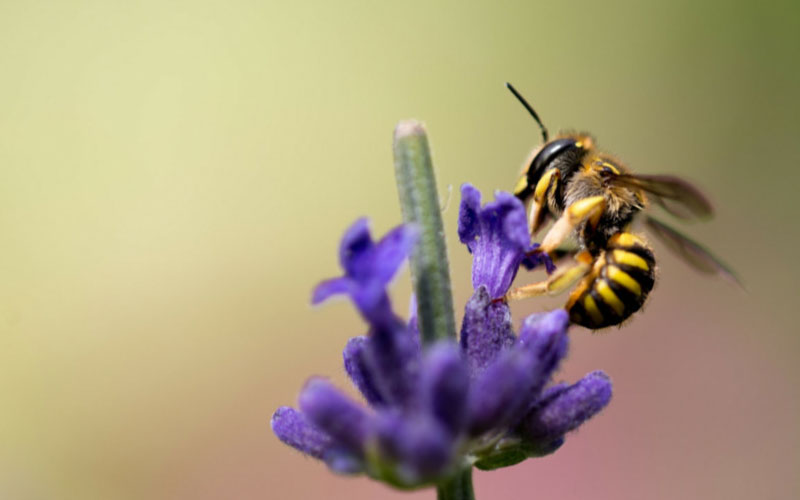
Both common and German wasps live in large colonies, about the size of a soccer ball. The nest can become larger if the colony survives the winter. Common and German Wasps have distinctive yellow and black striped bodies. The common wasp nest is yellowish to red-brown, while the German wasp nest is grey. Both species can sting repeatedly.
Common wasps were first noted in the 1920s, but did not become well established in the Marlborough region until the 1970s. German wasps have been present in New Zealand since the 1940s. Other wasp species such as the Asian and Australian paper wasp are also present in Marlborough.
The Asian paper wasp was first recorded in New Zealand in 1979, whereas the European paper wasp has only just been recorded as being established in 2015. The detection of The European paper wasp occurred in the top of the South Island so both paper wasp species are present in Marlborough. The two paper wasp species are easily distinguishable from the common and German wasps due to their more slender body structure
What can I do?
For small scale control, locating the nest and poisoning it directly is the most effective method. By sitting and watching the flight line of the foraging wasps it is usually possible to locate the entrance to the nest. This is easiest done in the late afternoon or evening. Insecticide powder can then be placed at all entrances of the nest during the evening to lessen the chance of being attacked. The next day, the wasps will become active and carry the powder into the nest on their legs and bodies. Fine weather is preferable as rain will discourage the wasps from foraging and picking up the insecticide. If the nest is still active, a repeat treatment may be required the next evening. Insecticide dusts such as Wasp Killer Dust, Permex Insect Dust or Dust2Dust can be sourced from hardware stores or via the internet.
Pouring petrol into nest entrances after dark, then sealing the entrances can also be effective but caution with this method is strongly advised. DO NOT ignite the petrol as the fumes take care of the nest.
As of December 2015, a targeted wasp bait became available from a Nelson-based company Merchento. The bait, Vespex, was developed in conjunction with DOC. Anyone can purchase this bait directly from Merchento after passing an online test and becoming an approved user of the bait. This is part of the legal requirements relating to the use of this bait.
Paper wasps can be controlled through the application of insecticide to nests. This is best carried out during the evening or after dark, while the wasps are within, or on, the nest.
Local pest control contractors may also destroy wasp nests or carry out control operations. They can usually be found in the Yellow Pages or on the internet.
Notifications and/or permissions for carrying out control using Vespex bait
Vespex can be used on both public and private land. Members of the public wishing to carry out wasp control on public conservation land need to follow DOC's pesticide permission process. As part of the DOC application process, you will need to notify your local Council by emailing biosecurity@marlborough.govt.nz. Your notification will be passed to other areas in Council such as the Environmental Health section and also the Reserves section if the baiting programme involves Council reserve land. To check if Council Reserve land is in your area, check the Parks and Open Spaces Smart Map.
If baiting is to occur on Council land, but not public conservation land, you are required to notify Council and can use the contact details above. If this involves a road corridor, Marlborough Roads must also be notified on 03 520 8330.
Go to DOC's website for more about their pesticide permission process

