

Geological sources of fine sediment in the Awatere River
Assessment of geological sources contributing to turbidity of the Awatere River
The Awatere River is at times classified in the marginal category for water quality because suspended sediment concentrations are frequently elevated. To support council in evaluating potential improvements in water quality and gaining a deeper understanding of natural influences, this report assesses the principal geological sources contributing to suspended sediment levels (as indicated by turbidity) in the Awatere River.
It examines the relative contributions from sub-catchments based on geological composition, erosion mechanisms, riverbed morphology, sediment cover, and assessments of turbidity associated with different river flows. A detailed investigation of the Tone River sub-catchment was also undertaken as part of this study.
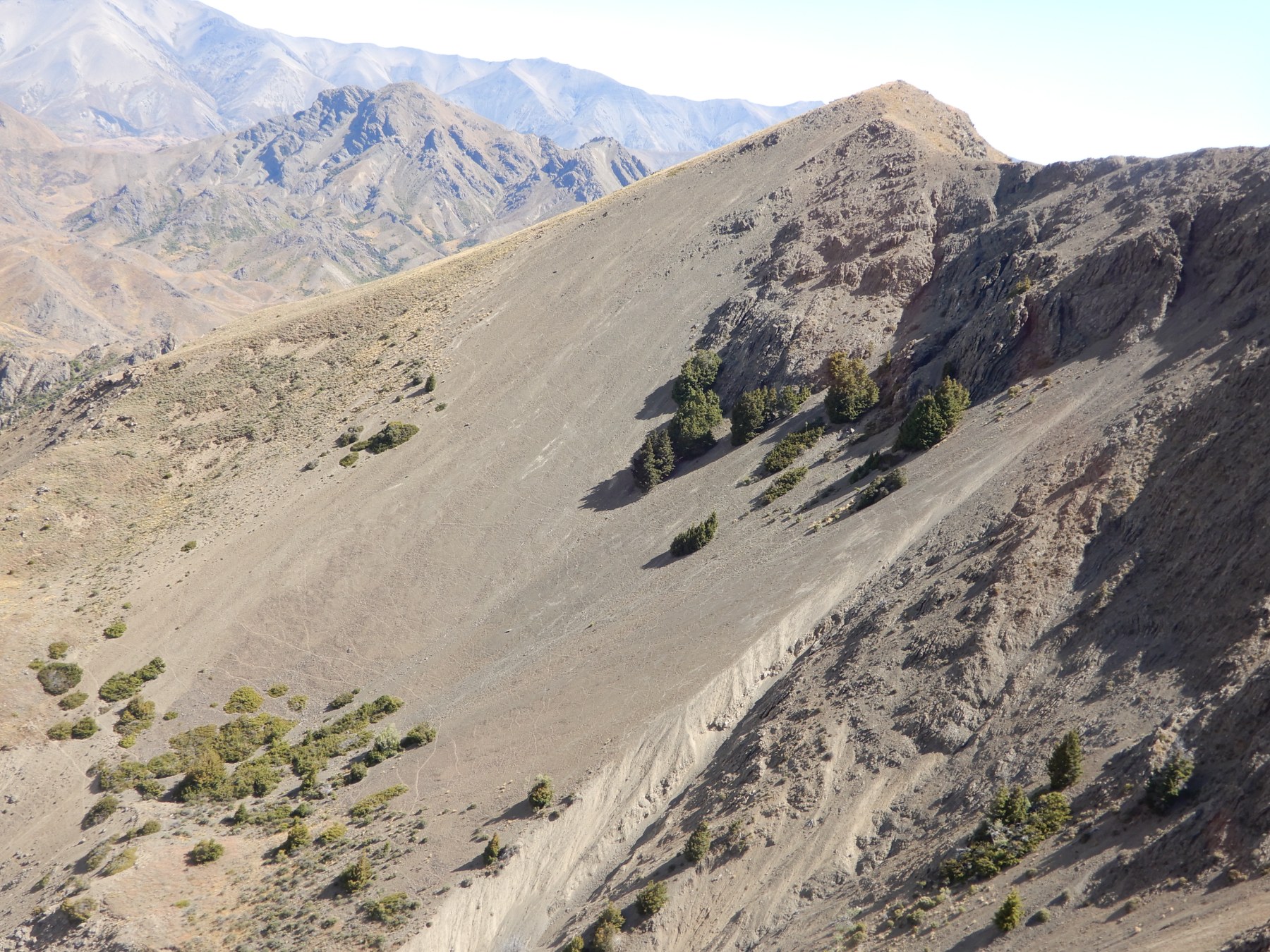
The main geological contributor to the turbidity in the Awatere River under current land use is identified as low metamorphic grade greywacke bedrock of the Early Cretaceous Pahau Terrane. This rock type is both the most prevalent and widespread within the Awatere catchment. Ongoing tectonic uplift and erosion of the bedrock are actively generating large quantities of scree and forming extensive gravel fans, particularly in the headwaters of sub-catchments along the Inland Kaikoura Range and the northernmost Southern Alps, situated in the middle and upper reaches of the Awatere.

