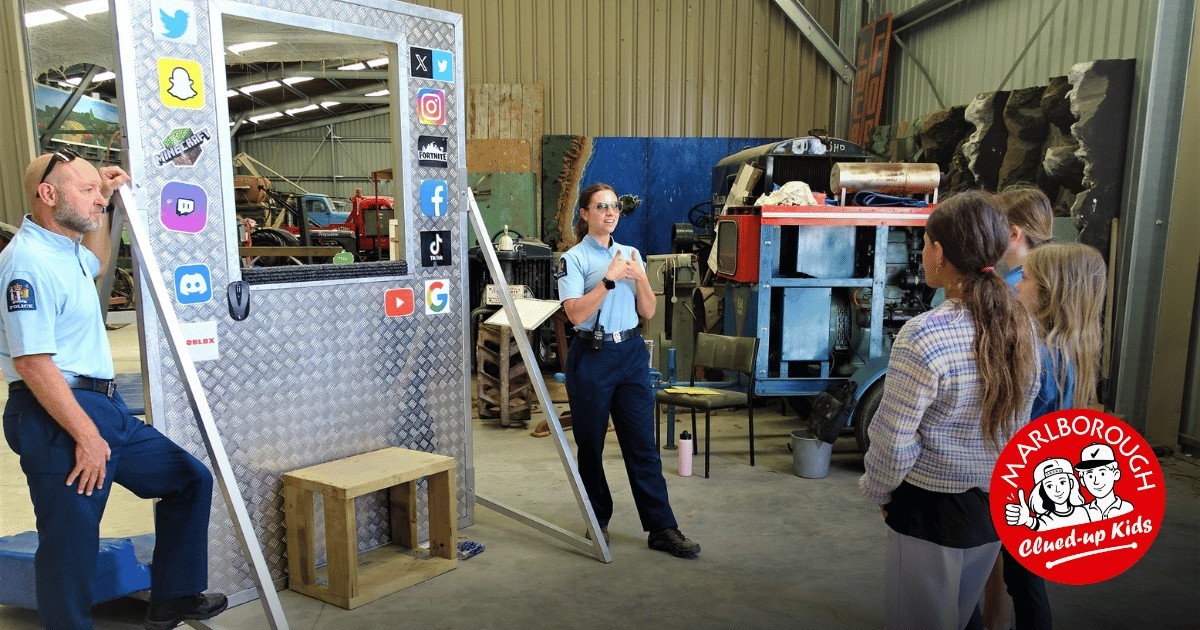
Celebrating its 20th anniversary, Marlborough Clued Up Kids remains a trusted and effective community safety programme – giving generations of tamariki practical knowledge, confidence and skills that can help keep themselves, their whānau and their communities safe.
The 2026 event starts today and runs until Friday 13 November at Brayshaw Park, involving 482 students from 12 primary schools.
Marlborough Mayor Nadine Taylor said for 20 years Clued Up Kids had played an important role in helping Marlborough children build the confidence and practical skills they need to stay safe in everyday life and unexpected situations.
“This programme is a fantastic example of what can be achieved when schools, community organisations, emergency services, volunteers, Government agencies and Council work together.
“On behalf of Council, I want to thank everyone who has contributed to its success over the past two decades and congratulate the team on reaching this significant milestone,” she said.
Established by the Marlborough Childhood Safety Group in 2006, the collaborative programme first piloted at Brayshaw Park that November. It gives Year 5 and 6 students hands-on experience of realistic safety and emergency situations through short, interactive scenarios delivered by specialist community agencies.
Students learn by doing – practising how to recognise hazards, respond appropriately, seek help and communicate during an emergency. Scenarios have covered dog, rail, cyber, home, fire and water safety, emergency preparedness, first aid and simulated 111 calls.
Clued Up Kids is delivered through sustained collaboration among Marlborough District Council, REAP Marlborough, Health New Zealand’s National Public Health Service in Nelson Marlborough, schools, community groups and volunteers.
The scenarios are delivered by safety-set agencies – this year Civil Defence, Harbours, KiwiRail, Maataa Waka ki te Tauihu Trust, Fire and Emergency New Zealand, Health New Zealand’s Community Oral Health Service in Nelson Marlborough, Police and Hato Hone St John.
The Brayshaw Park Committee, Riverside Rail, Vintage Car Club, Modellers Society and Vintage Farm Machinery groups generously provide the venue for the week, while Marlborough’s Māori Wardens assist with receiving scenario-based 111 calls.
Marlborough Emergency Management Emergency Services Officer Gary Spence said Clued Up Kids had brought agencies, schools and volunteers together around one shared goal – giving students practical skills that can make a real difference when something goes wrong.
Key achievements and highlights over 20 years:
- 2006: The inaugural programme was held at Brayshaw Park.
- 2008: An ACC Community Injury Prevention Award funded a simulated 111 call-centre system.
- 2011: The programme won the Nelson Marlborough DHB Health, Quality and Innovation Award for a healthy community initiative.
- 2012: It shared the inaugural Marlborough Health and Safety Award for best community initiative and was presented at the World Safety Conference.
- 2013: It featured as a case study during Marlborough’s International Safe Community accreditation.
- 2016: The programme received highly commended recognition through healthy and safe city and road-safety awards. The Marlborough team also helped establish Nelson’s inaugural programme.
- 2020: More than 720 students from 16 schools took part in the event – the largest cohort recorded in the evaluation.
- 2026: The community partnership celebrates 20 years of equipping Marlborough children with potentially life-saving knowledge.
The programme continues to evolve with community safety needs, school input and volunteer involvement. Cyber safety replaced cycle safety as online risks grew, scenarios are regularly refreshed, and evaluation – from student questionnaires to recent teacher surveys – informs improvements.
Selena Tonks, from REAP Marlborough, is part of this year’s event planning team. “What I love about Clued Up Kids is that students don’t just hear safety messages – they practise them. Over the week, 482 students from 12 schools will work through realistic scenarios, and the confidence they take away can stay with them and their whānau for life,” she said.