

Most Marlborough rivers in good health
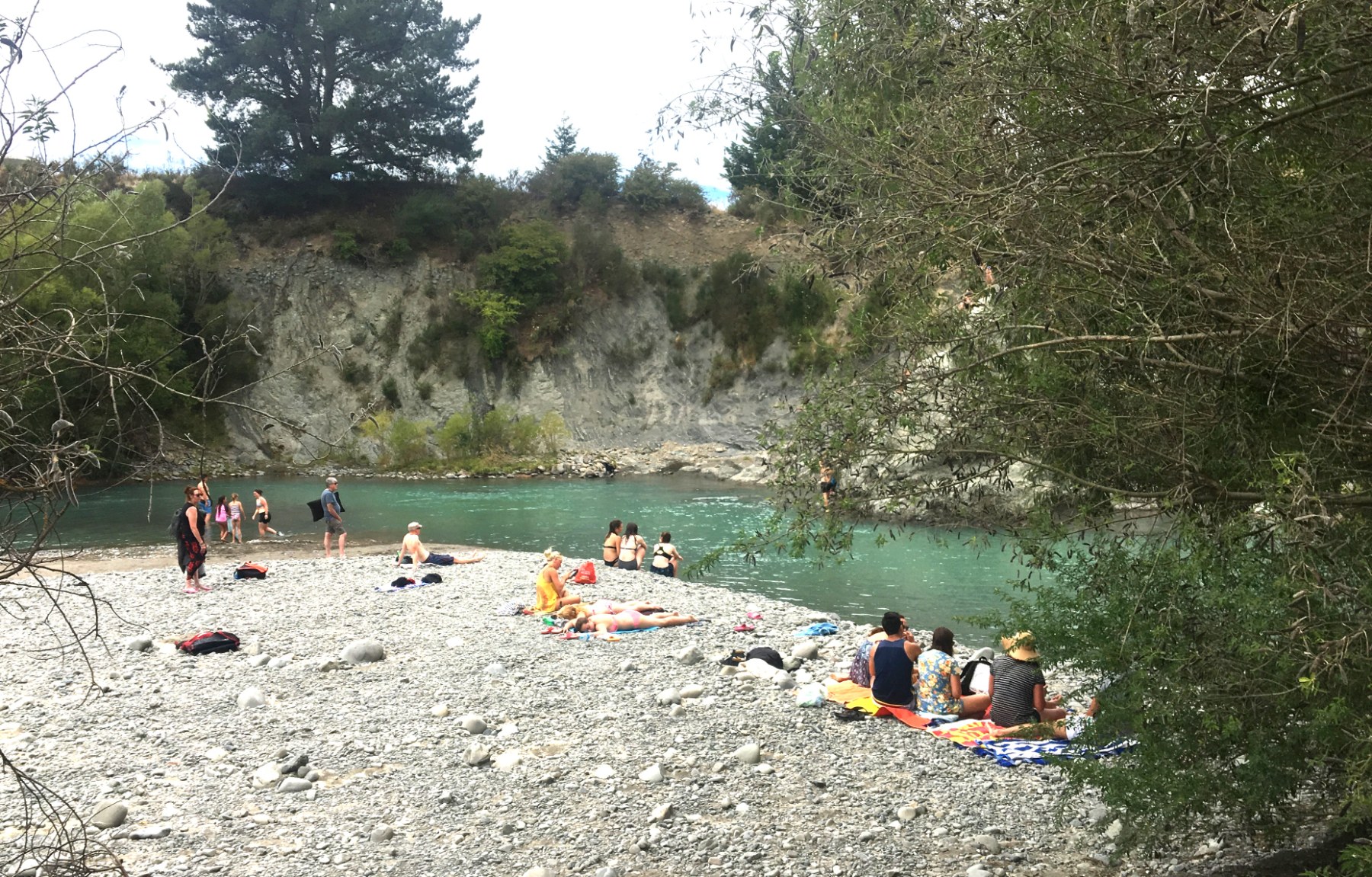
Marlborough’s rivers are tracking well overall, according to Council’s recent River Health Monitoring Report Card 2026.
The report, which assesses 54 sites across the region, found that almost 75 per cent of monitored rivers fall within the good or fair categories for overall river health. This is measured using a water quality index that combines multiple indicators into a single score.
Senior Environmental Scientist Steffi Henkel said Marlborough’s rivers generally performed well compared to the rest of New Zealand. “Especially for nitrogen, phosphorus and e coli levels, which are typically lower than the national average. However, macroinvertebrate scores and water clarity are similar to national results,” she said.
While some sites receive lower scores because of natural conditions, most poorer results are linked to human activity. In rural areas, livestock access, streambank erosion and agricultural runoff are the main challenges, while urban rivers are affected by wildfowl, ageing infrastructure, and stormwater contaminants.
Only a quarter of river sites fall within marginal or poor categories. The lowest water quality index was recorded at the Riverlands Coop Drain, influenced by nearby industrial land use.
“Regular monitoring is essential, especially as land use changes and new regulations are introduced. Good environmental information ensures we can protect and improve our rivers for the well-being of our community,” Ms Henkel said.

